TechnoKids

TechnoHub is a comprehensive teaching and learning platform that empowers schools to deliver high-quality technology education through a unified digital ecosystem. Built on evidence-based pedagogy, it supports curriculum planning, instructional delivery, differentiated learning, assessment, progress monitoring, and data-informed decision-making.
TechnoHub Labs extend this learning into authentic, hands-on environments where students inquire, design, create, test, iterate, collaborate, and reflect on real-world challenges. Each lab develops creativity, critical thinking, problem-solving, collaboration, and responsible digital citizenship.
Maker Lab
Explore. Create. Build.
Makerlab is a fun and interactive digital space where students turn ideas into exciting projects through coding, electronics, robotics, and innovation.
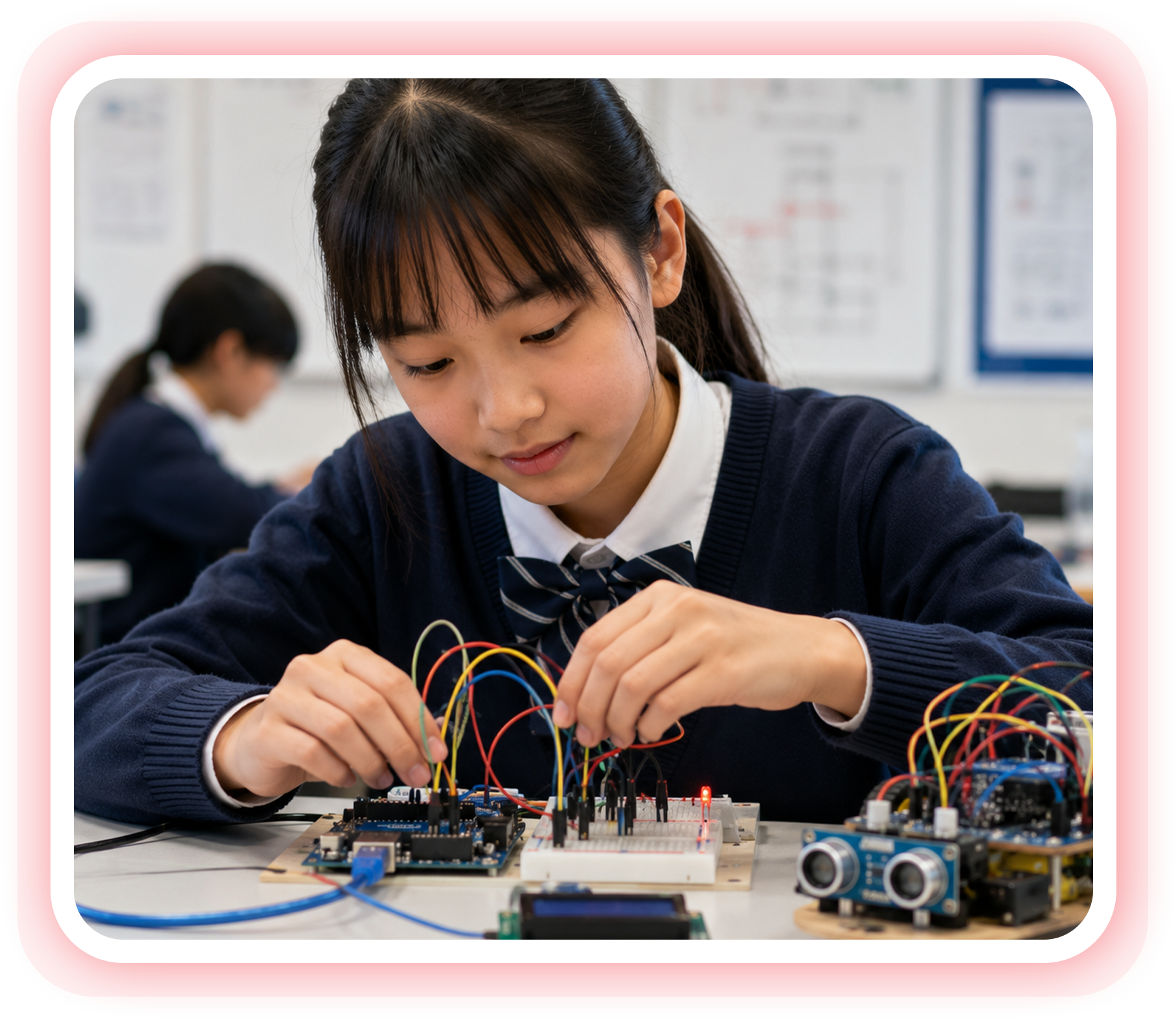
In MakerLab, students can create virtual circuits, program smart devices, explore sensors, build simple robots, and experiment with technology in a safe and engaging environment.
By learning through hands-on activities and real-world challenges, students develop creativity, problem-solving skills, and confidence in using technology.
Whether it is making an LED blink, creating a smart home project, programming a robot, or exploring how connected devices work, Makerlab makes learning technology exciting and meaningful.

Benefits for Students
- Learn by doing through interactive projects and simulations.
- Experiment freely without fear of damaging components.
- Develop creativity, problem-solving, and critical thinking skills.
- Learn at their own pace and revisit concepts anytime.
- Gain confidence before working with real hardware.

Benefits for Teachers
- Deliver practical STEM learning without complex lab setup.
- Save classroom time through ready-to-use simulations and activities.
- Monitor student progress and provide personalized support.
- Encourage experimentation and innovation in a controlled environment.

Benefits for Schools
- Reduce investment in large quantities of hardware kits.
- Provide every student with access to practical learning experiences.
- Minimize maintenance, replacement, and hardware damage costs.
- Scale STEM education across classrooms with ease.
- Maximize utilization of physical kits by validating projects virtually first.

Benefits for Learning
- Encourages exploration, creativity, and innovation.
- Bridges the gap between theory and real-world application.
- Promotes project-based and experiential learning.
- Allows students to make mistakes, learn, improve, and try again.
- Helps every learner progress according to their individual abilities and pace.
What StudentsCan Do
- Create and test virtual electronic circuits.
- Program robots, sensors, and smart devices.
- Build projects such as LED systems, smart homes, and connected devices.
- Experiment, troubleshoot, and improve designs through safe simulations.
- Turn successful virtual projects into real-world hardware creations.



Why Makerlab?
In a traditional lab, mistakes can lead to damaged components, wasted time, and limited opportunities for experimentation. In Makerlab, students can test unlimited ideas, refine their designs, and troubleshoot confidently in a virtual environment. Once a project works successfully, it can be transferred to physical hardware for real-world implementation.
More experimentation. Less risk. Better learning.
Makerlab empowers every student to explore, create, innovate, and reach their full potential while helping schools deliver high-quality STEM education in a cost-effective and scalable way.
Protolab
Design. Code. Simulate. Prototype.
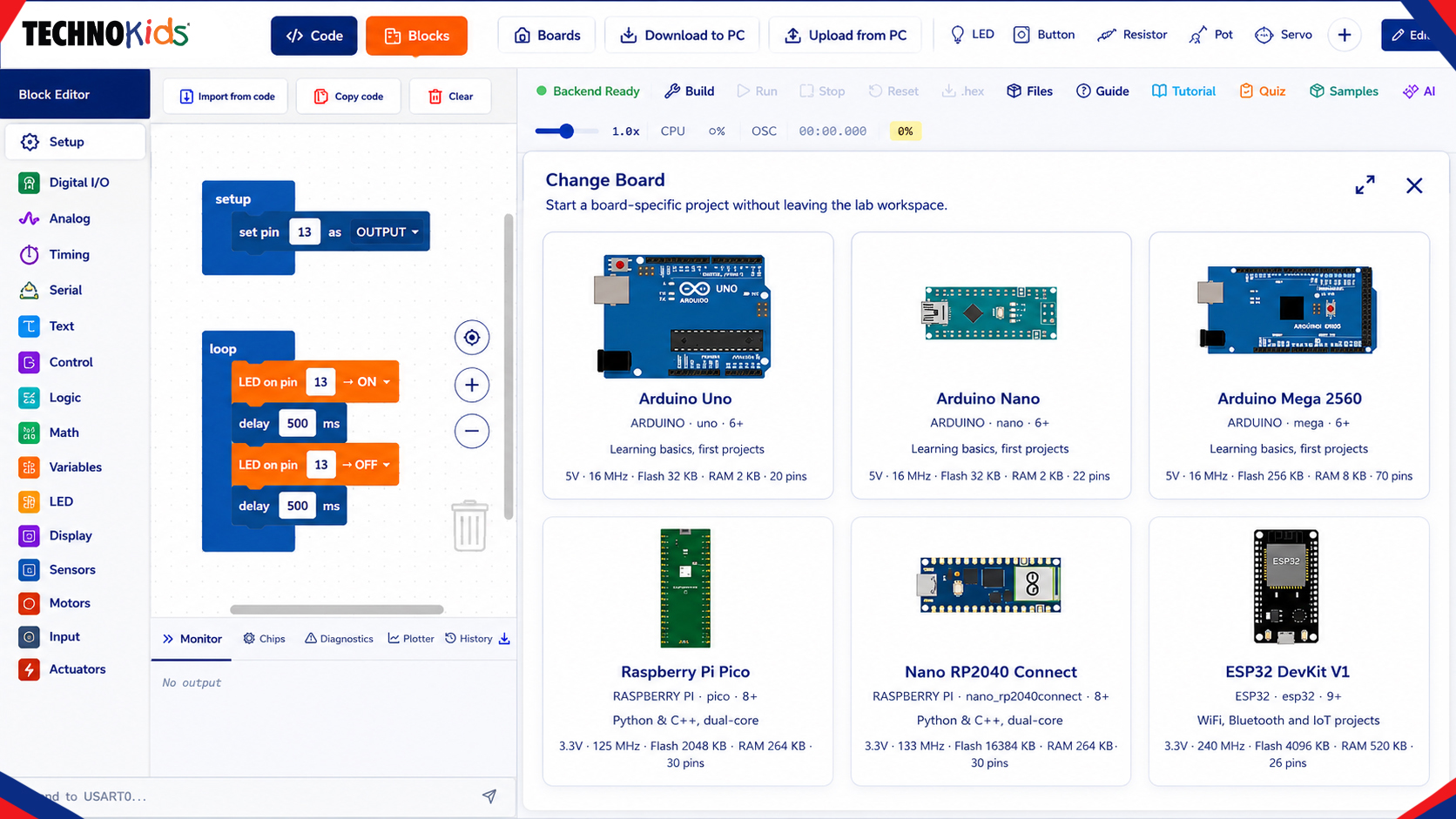
Protolab is an advanced virtual prototyping environment where students design, program, simulate, and test embedded systems, electronics, IoT, and automation projects before deploying them on real hardware.
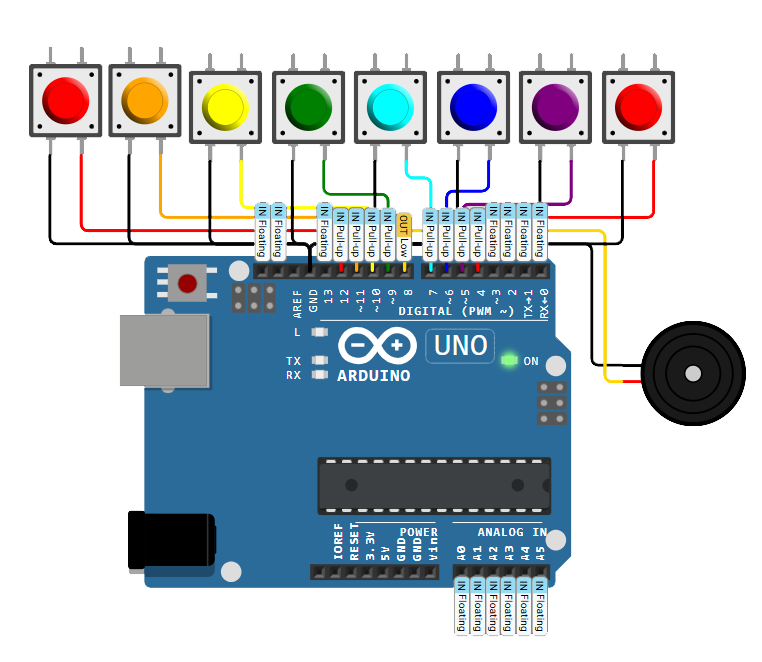
Built for middle and high school learners, Protolab provides a professional yet accessible platform for exploring microcontrollers, sensors, actuators, communication modules, and intelligent systems. Students can write code, build circuits, debug projects, and validate their ideas in a virtual environment—saving time, reducing costs, and increasing confidence before moving to physical implementation.
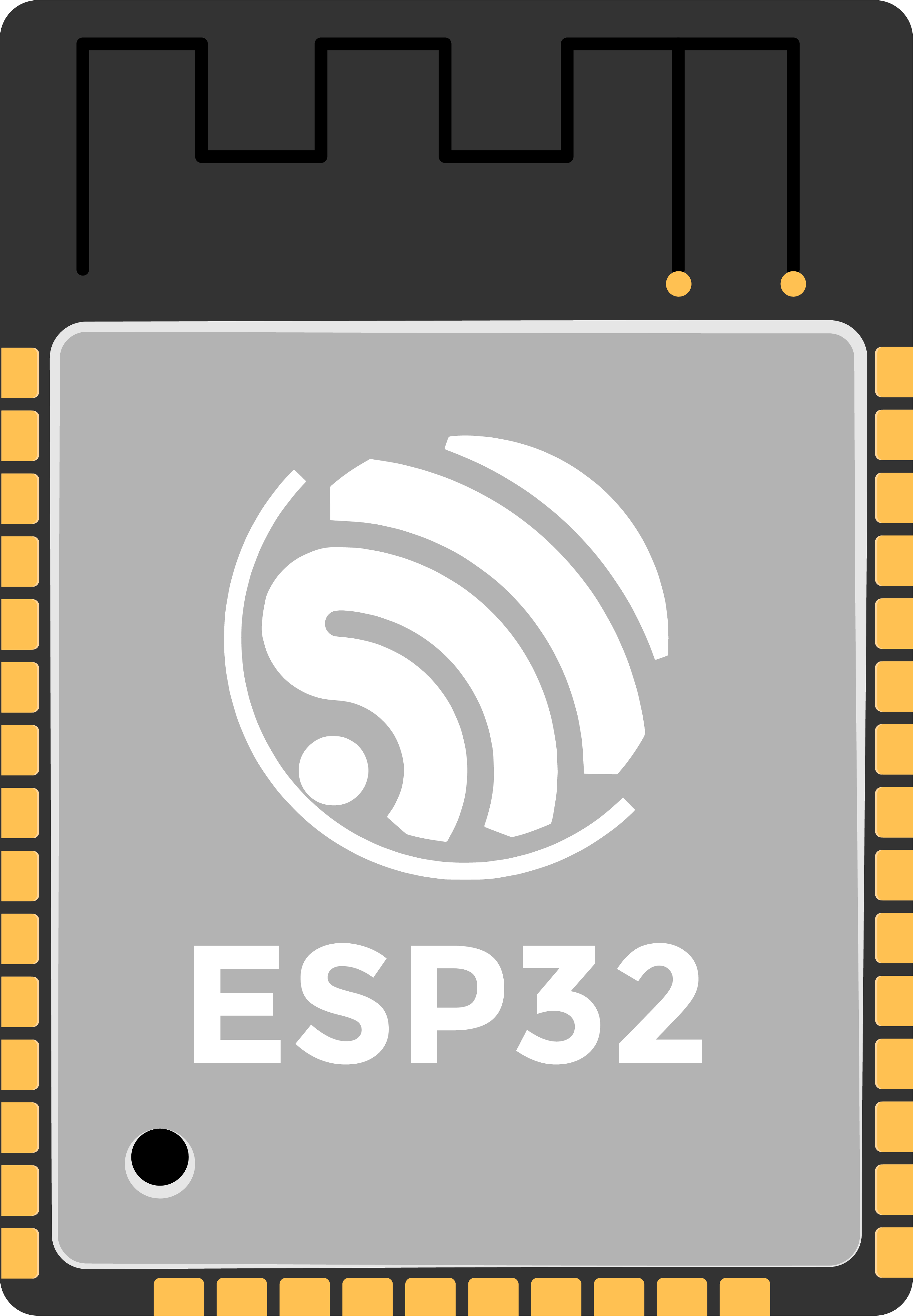
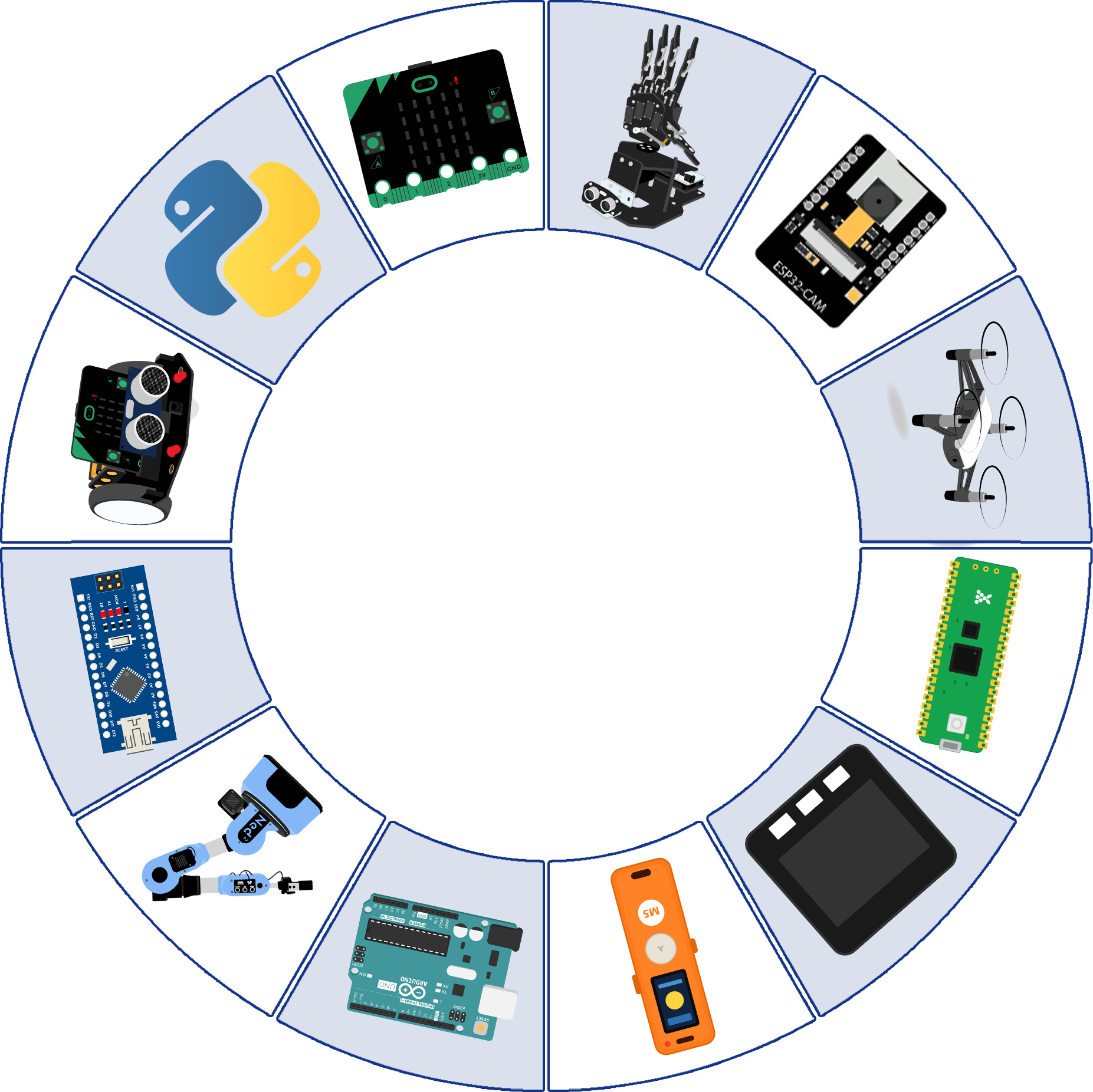
ESP32
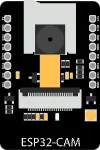
ESP32-CAM

M5Stack
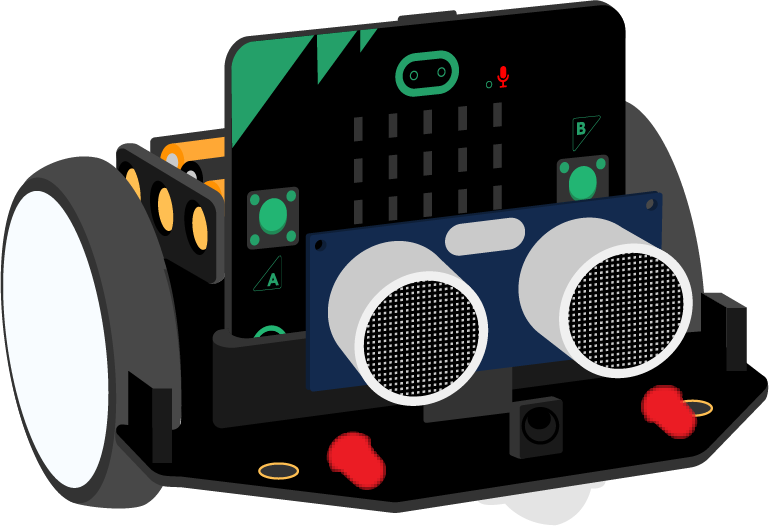
Maqueen
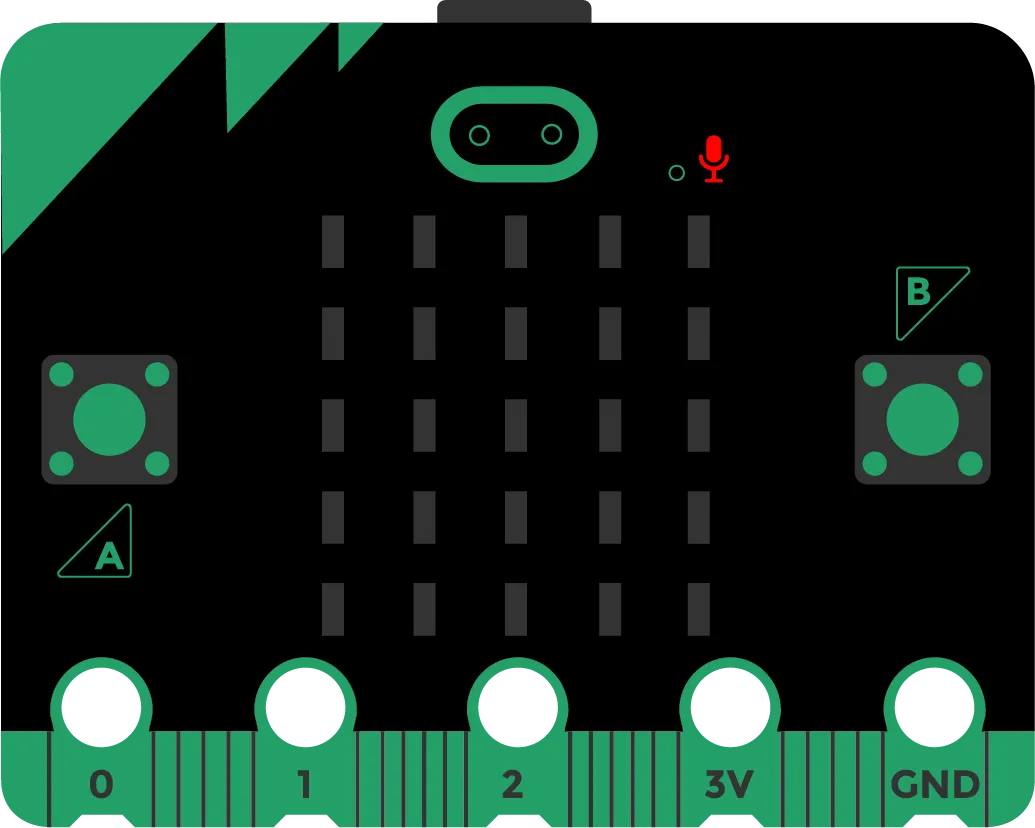
Micro:bit
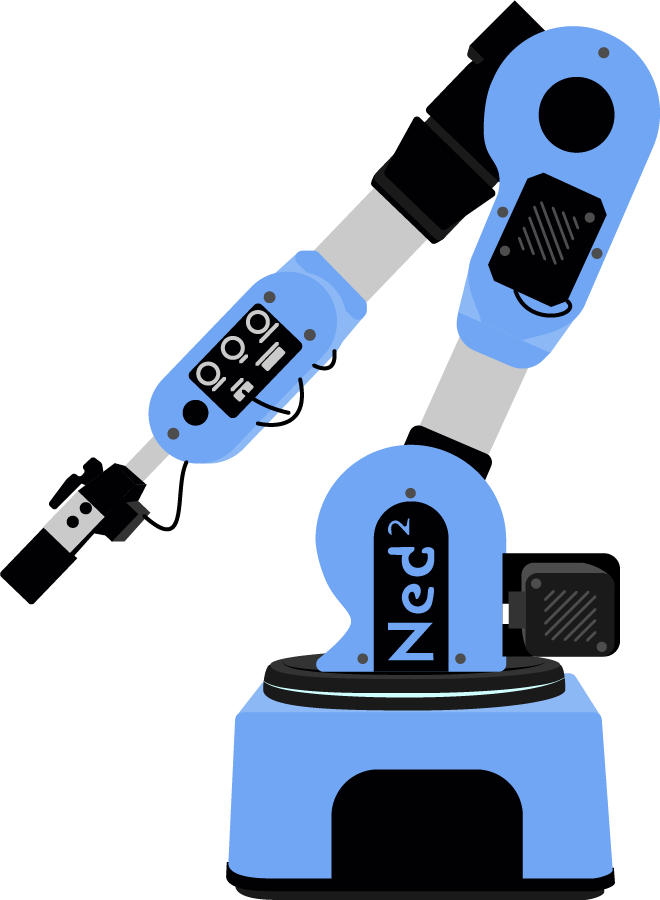
Ned2
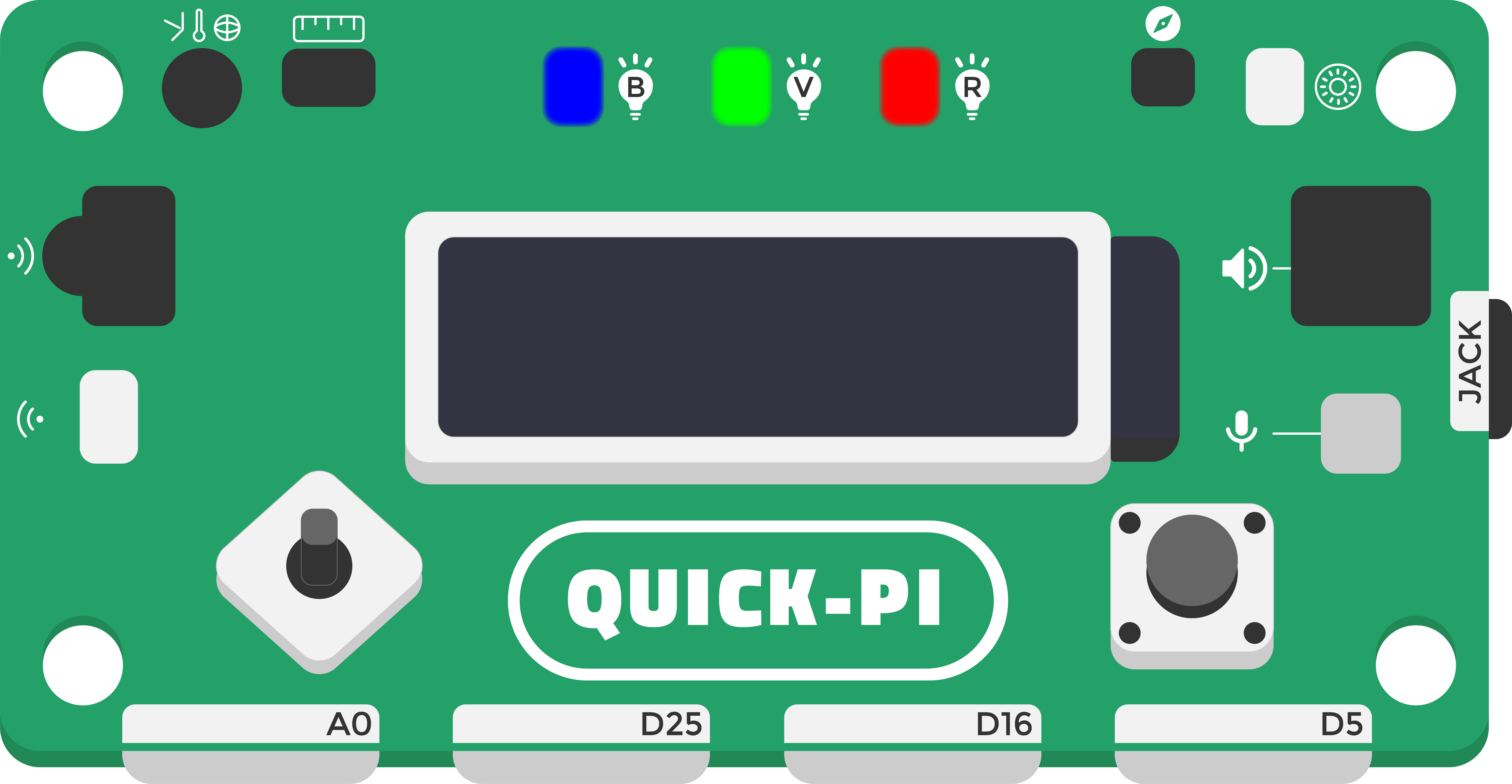
QuickPi
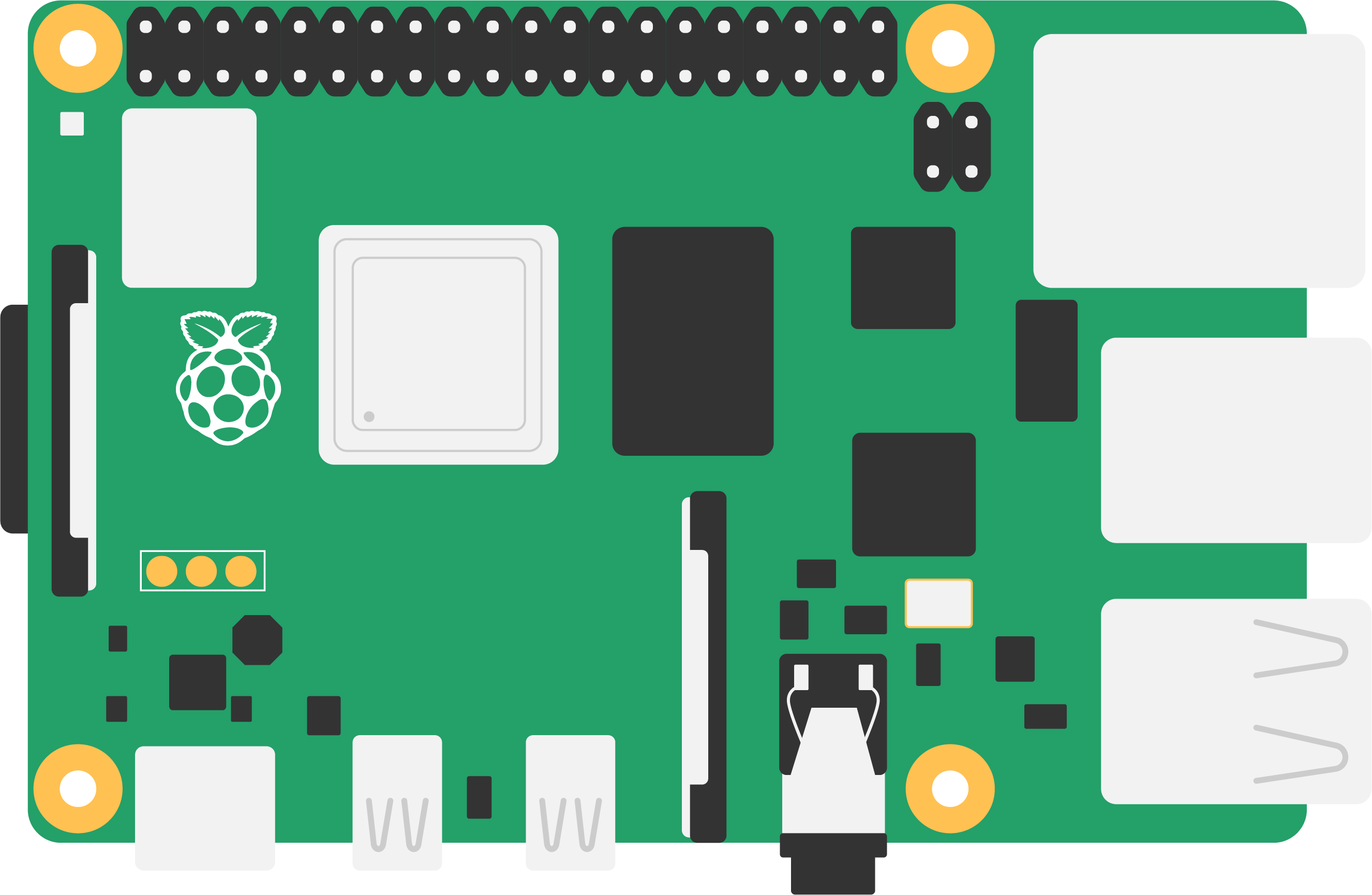
Raspberry Pi 4
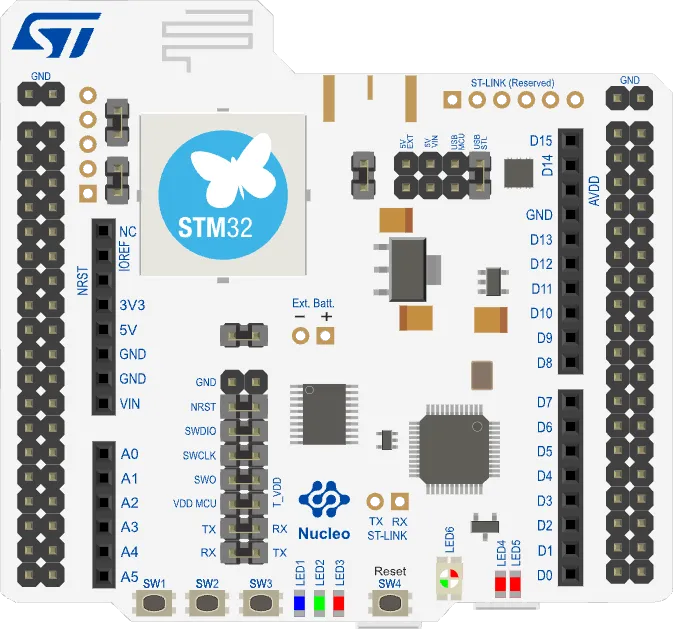
STM32 Nucleo WB55
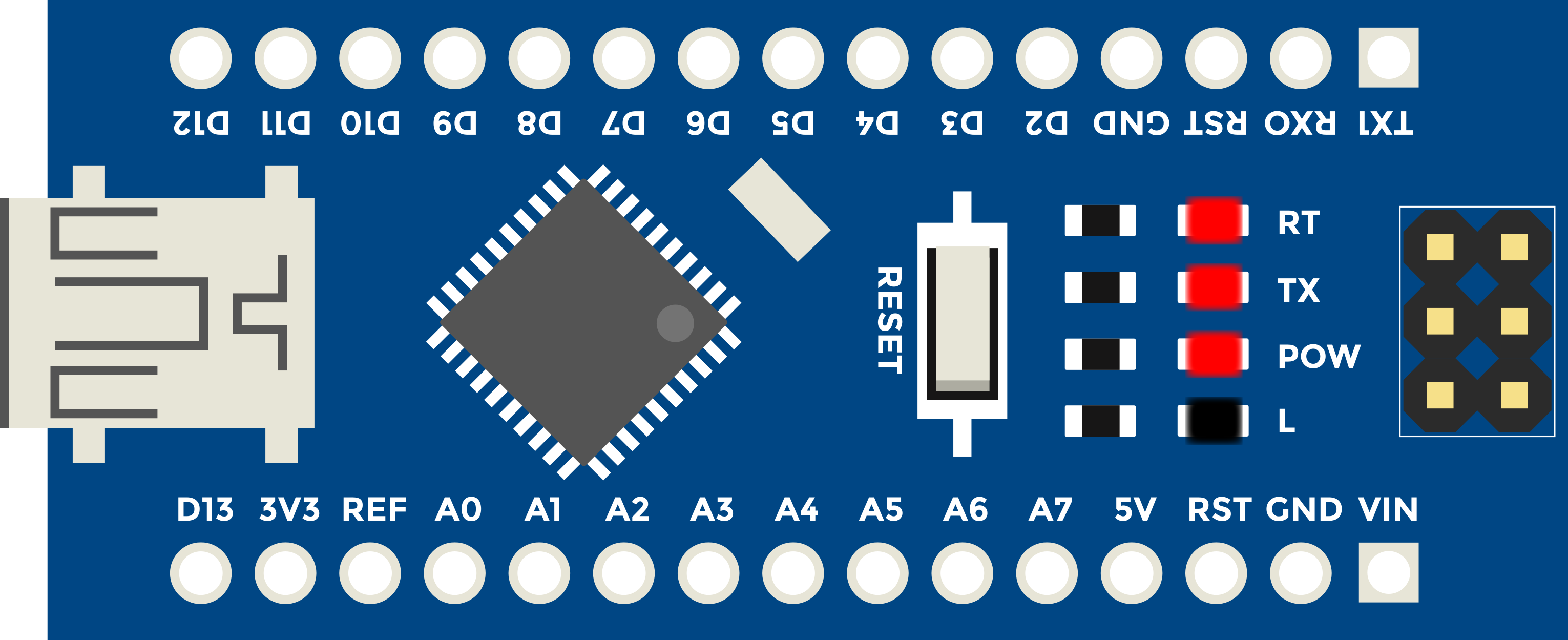
Arduino Nano
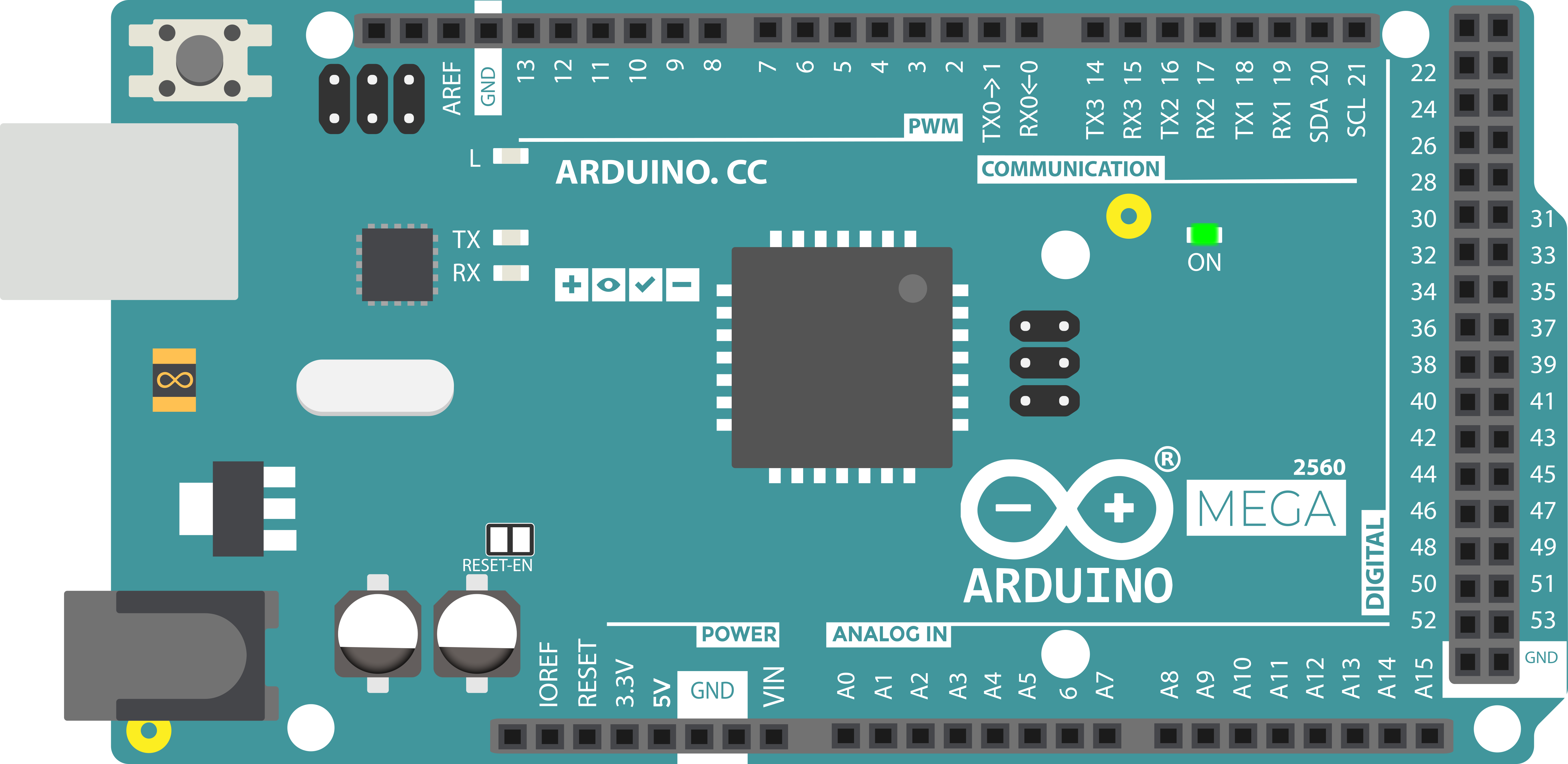
Arduino Mega 2560
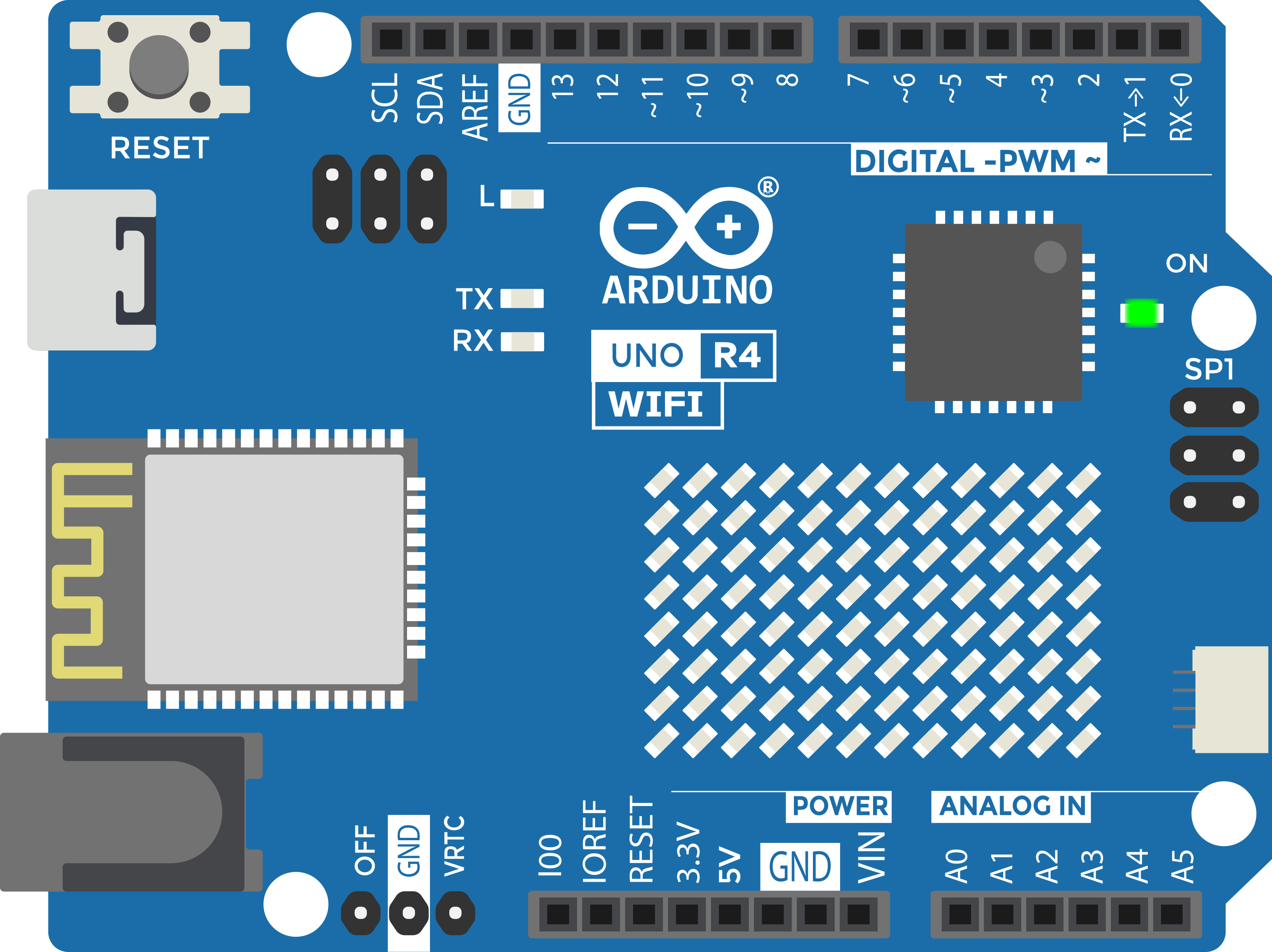
Arduino Uno R4 WiFi
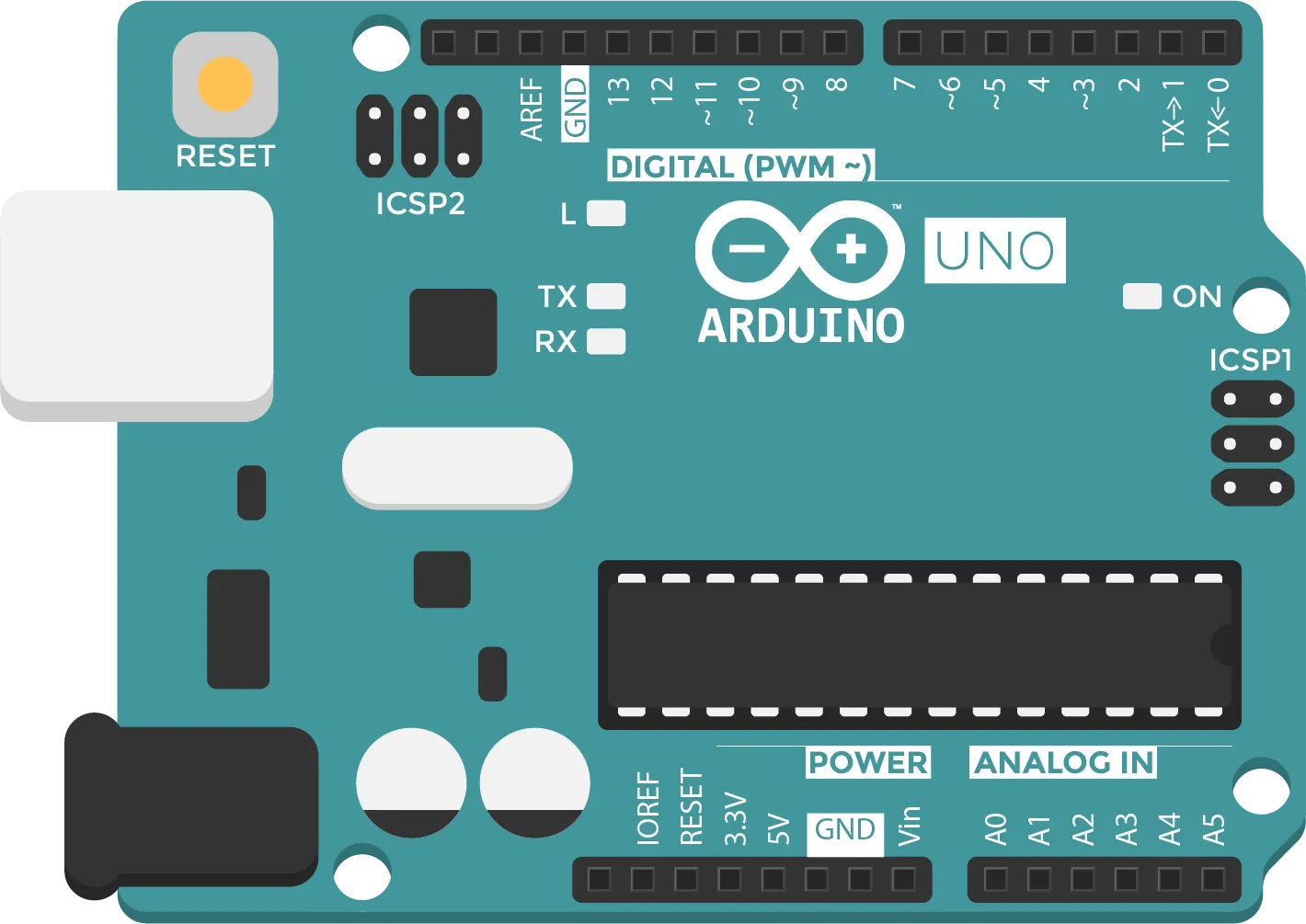
Carte Arduino
Protolab is an Advanced Virtual Prototyping Environment
Where students design, program, simulate, and test embedded systems, electronics, IoT, and automation projects before deploying them on real hardware.


Benefits for Students
- Learn industry-relevant skills through hands-on practice.
- Experiment freely without fear of damaging hardware.
- Develop computational thinking and engineering design skills.
- Gain confidence by testing ideas before physical deployment.
- Learn at their own pace through exploration and iteration.
- Build real-world projects that connect coding with innovation.

Benefits for Teachers
- Deliver practical technology education without extensive hardware requirements.
- Provide students with a safe environment for experimentation.
- Reduce time spent troubleshooting hardware-related issues.
- Focus on concept mastery, project development, and problem solving.
- Enable every student to participate actively in hands-on learning.

Benefits for Schools
- Reduce hardware procurement and maintenance costs.
- Extend access to practical STEM and technology education.
- Support larger student groups without requiring one device kit per learner.
- Improve utilization of physical hardware by validating designs virtually first.
- Create a scalable pathway from simulation to real-world implementation.

Benefits for Learning
- Encourages design thinking and innovation.
- Strengthens programming, electronics, and systems-thinking skills.
- Promotes inquiry-based and project-based learning.
- Supports iterative learning through testing, debugging, and improvement.
- Bridges classroom concepts with real-world engineering applications.
What StudentsCan Do
- Design and simulate electronic circuits.
- Program microcontrollers and embedded systems.
- Build IoT and smart device applications.
- Test sensors, displays, motors, and communication modules.
- Debug and refine projects in real time.
- Develop automation, robotics, and engineering solutions.




Why Protolab?
Innovation begins with experimentation. Protolab allows students to explore ideas, test assumptions, identify errors, and refine solutions before committing resources to physical hardware. By combining coding, simulation, and prototyping in a single environment, students experience the complete engineering design cycle, from concept to implementation. Whether developing an IoT solution, programming a smart device, creating an automation system, or building a robotics project, Protolab provides the tools and flexibility needed to transform ideas into working prototypes.
Prototype Today. Innovate Tomorrow.Empowering future engineers, creators, innovators, and problem solvers through practical, project-based technology learning.
CodeLab
Think. Code. Create.
Where Future Innovators Learn to Program
CodeLab is TechnoHub’s comprehensive coding environment where students learn programming, solve real-world problems, and build digital solutions through hands-on practice and project-based learning.
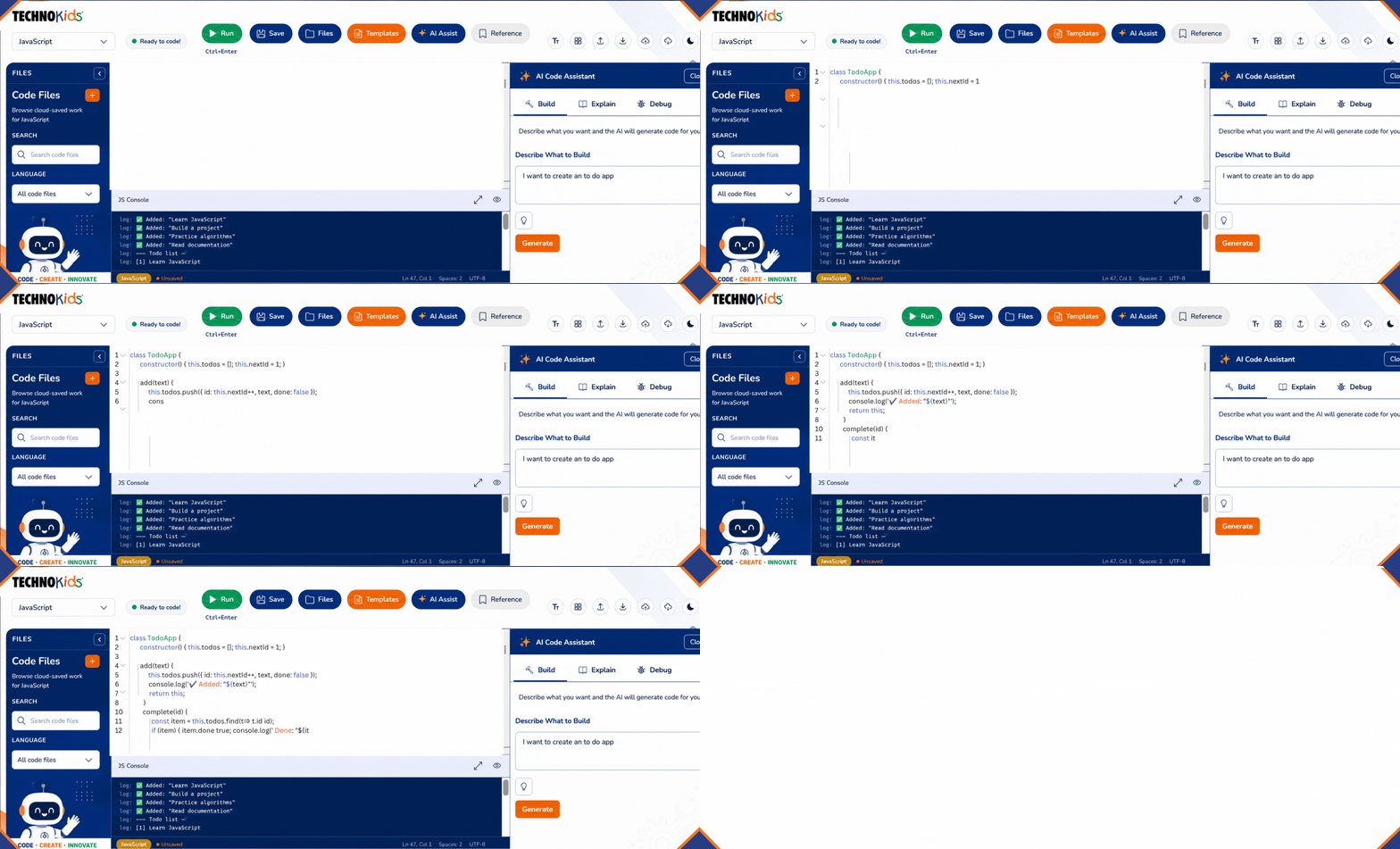
Designed for learners from beginner to advanced levels, CodeLab provides a powerful and engaging platform where students can write, test, debug, and deploy code while developing computational thinking, creativity, and problem-solving skills. Whether creating games, websites, mobile applications, software solutions, algorithms, or automation projects, CodeLab empowers students to transform ideas into reality through the power of coding.
Multi-Language Programming Environment
CodeLab supports more than 10 industry-relevant programming languages, allowing students to explore multiple technology pathways within a single platform.
Students can learn, practice, and develop projects using:
- Python
- C
- C++
- Java
- JavaScript
- HTML
- CSS
- Ruby
- Kotlin
- Swift
- SQL
- Go
- C#
- PHP
What StudentsCan Do
- Learn Programming FundamentalsMaster variables, loops, conditions, functions, algorithms, and data structures through guided learning and practice.
- Build Real-World ProjectsCreate websites, applications, games, simulations, and software solutions that connect learning with practical outcomes.
- Practice Problem SolvingStrengthen logical reasoning and analytical thinking through coding challenges and project based activities.
- Debug and ImproveLearn how to identify errors, test solutions, optimize code, and continuously improve performance.
- Explore Advanced TechnologiesBuild a strong foundation for future learning in artificial intelligence, data science, cybersecurity, software engineering, and emerging technologies.


Benefits for Students
- Learn by creating. Apply coding concepts through meaningful projects rather than simply learning theory.
- Develop future-ready skills. Build computational thinking, creativity, collaboration, logic, and innovation skills.
- Learn at your own pace. Practice, experiment, and progress according to individual learning needs and abilities.
- Gain confidence. Develop the ability to solve problems independently and create technology solutions with confidence.

Benefits for Teachers
- Simplify coding instruction with a structured and engaging environment.
- Support differentiated learning across individual skill levels and learning pace.
- Monitor progress easily, identify gaps, and provide timely support.
- Encourage project-based learning through practical challenges and real-world coding experiences.

Benefits for Schools
- Future-proof learning with essential digital and programming skills.
- Support multiple programming languages and pathways within a single ecosystem.
- Scale coding education for all students across grades and skill levels.
- Strengthen STEM education through coding, technology, innovation, and computational thinking.

Learning Outcomes
- Computational thinking
- Programming skills
- Algorithmic thinking
- Logical reasoning
- Problem-solving abilities
- Creativity and innovation
- Debugging and testing skills
- Digital fluency
- Software development fundamentals
The CodeLab Journey
From writing their first program to developing sophisticated software solutions, students experience the complete coding journey while building confidence, creativity, and technical expertise.
One Platform. Multiple Languages. Endless Possibilities.CodeLab empowers students to move beyond learning code and become creators, innovators, and problem-solvers ready for the opportunities of the digital future.
Why CodeLab?
In today’s digital world, coding is more than a technical skill; it is a new language of innovation. CodeLab enables students to learn by doing, experiment confidently, solve challenges, and develop solutions that have real-world applications. Through interactive learning experiences and practical projects, students gain the confidence and skills needed for future academic and career success.
AI Lab
Explore. Create.
Innovate with Artificial Intelligence.
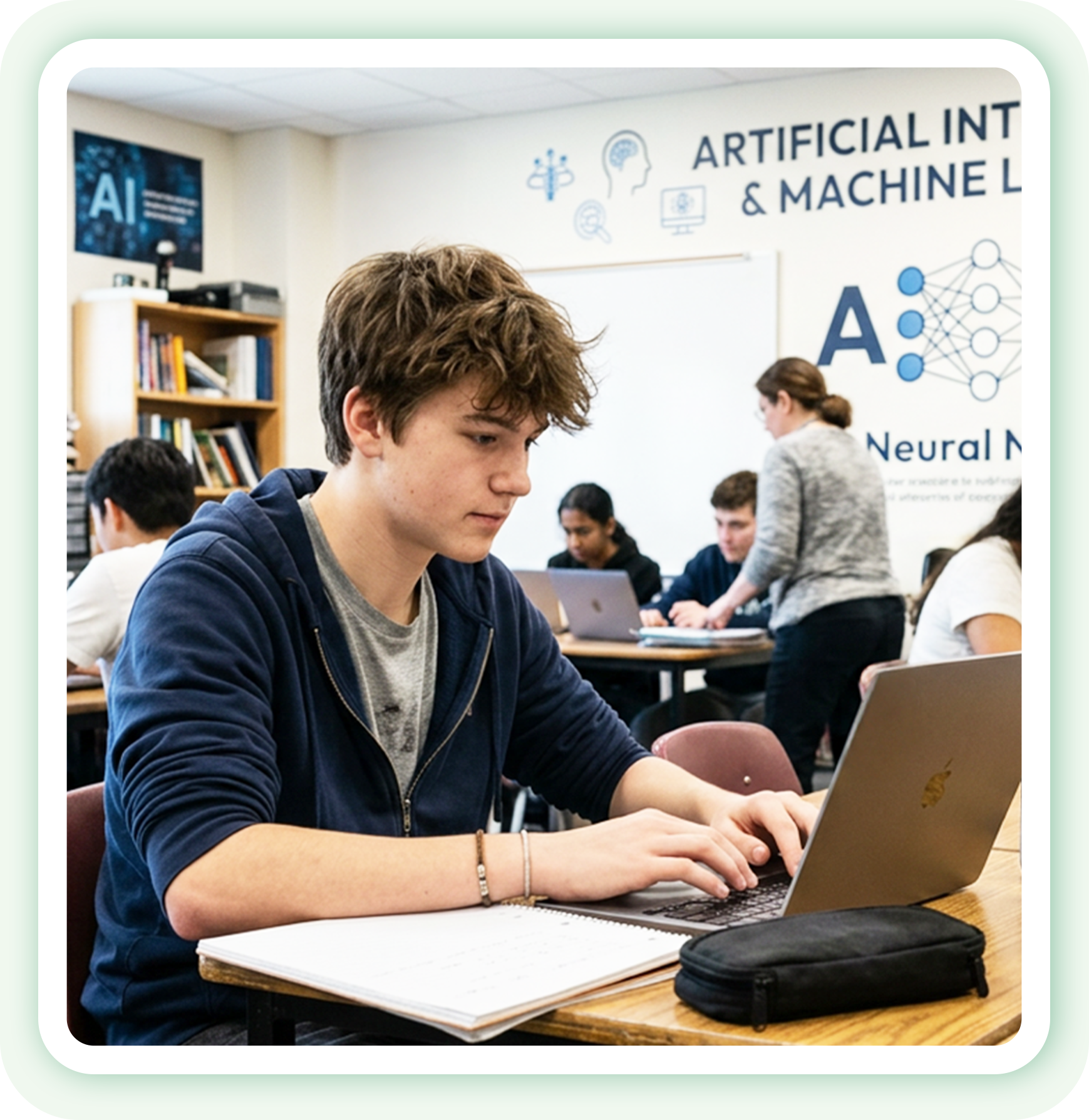
AI Lab is an interactive learning environment where students discover how Artificial Intelligence works by creating, experimenting, and solving real-world challenges.
Designed for learners from primary through secondary grades, AI Lab transforms AI from a complex concept into an engaging hands-on experience. Students can interact with AI tools, generate text and images, train simple AI models, explore machine learning concepts, and understand how intelligent systems make decisions. Inspired by modern AI education platforms, the focus is on learning AI through exploration, creativity, and responsible use.
Learn AI. Create with AI. Shape the Future.
Empowering students to become confident creators, critical thinkers, and responsible innovators in an AI-driven world.

Benefits for Students
- Learn future-ready AI skills through hands-on experiences.
- Develop creativity, problem-solving, and innovation skills.
- Explore technology in a safe and guided environment.
- Build confidence using AI as a tool for learning and creation.
- Progress at their own pace through interactive activities.

Benefits for Teachers
- Introduce AI concepts without requiring advanced technical expertise.
- Engage students through project-based and inquiry-driven learning.
- Monitor student progress and support personalized learning.
- Bring emerging technologies into everyday classroom learning.

Benefits for Schools
- Provide access to cutting-edge AI education for every learner.
- Prepare students for future careers and technologies.
- Deliver scalable AI learning without expensive infrastructure.
- Foster innovation, creativity, and digital literacy across grade levels.

Learning Outcomes
- AI literacy and an understanding of how intelligent systems learn and make decisions.
- Prompt engineering skills for communicating clearly and effectively with AI tools.
- Foundational knowledge of machine learning, model training, and pattern recognition.
- Critical thinking about AI-generated information, accuracy, bias, and reliability.
- Responsible AI practices covering ethics, privacy, safety, and digital citizenship.
- Creative problem-solving skills for designing meaningful AI-powered projects.
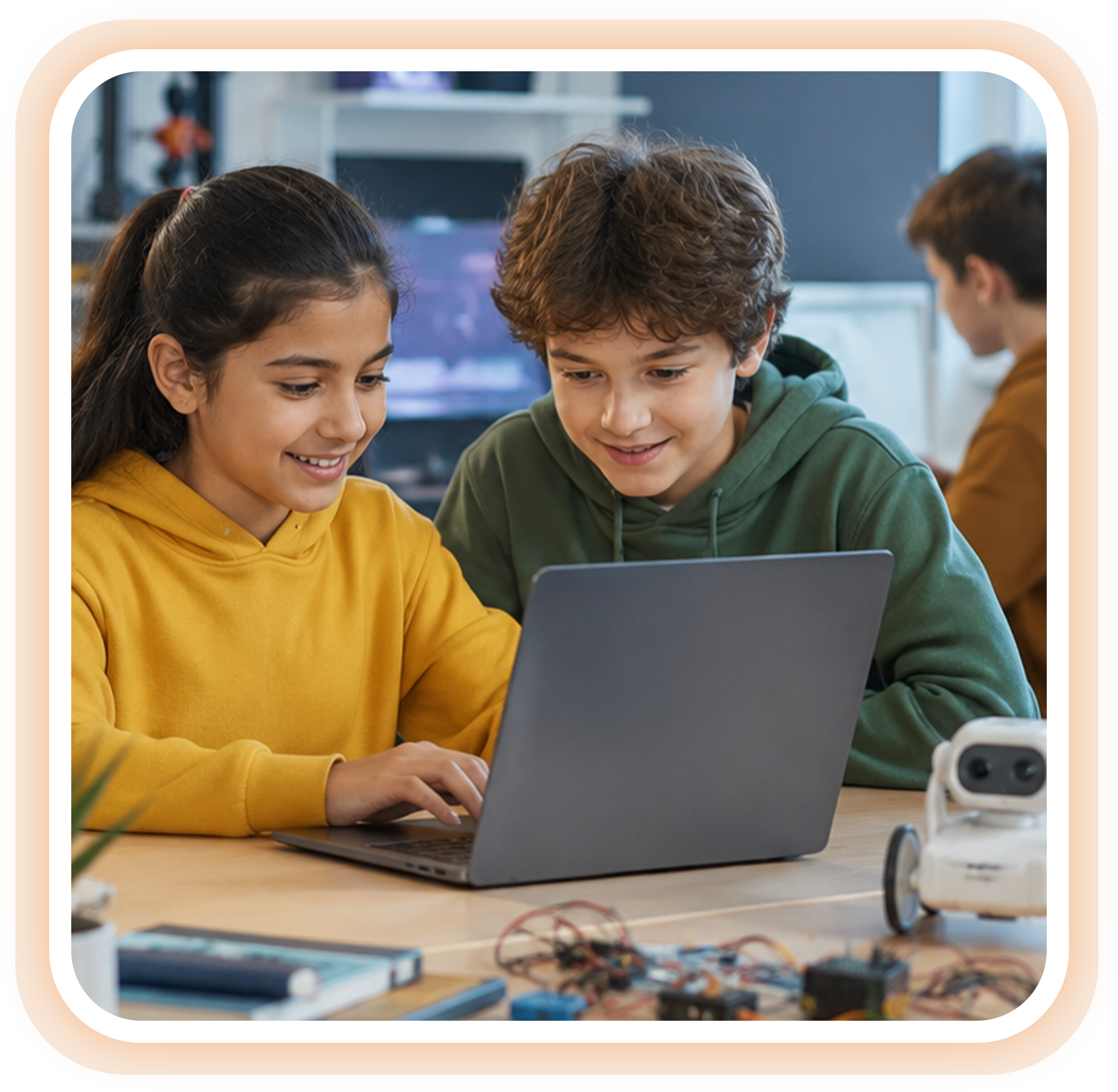
What StudentsCan Do
- Generate text, images, and creative content using AI.
- Train AI models to recognize images, sounds, patterns, and data.
- Explore machine learning and neural network concepts visually.
- Build AI-powered projects and real-world solutions.
- Understand how AI makes decisions and where biases can occur.
- Develop critical thinking and responsible AI practices.




Why AI Lab?
AI is transforming the way we learn, work, and solve problems. AI Lab helps students move beyond simply using AI tools to understanding how AI works, how it learns, and how it can be used responsibly to create meaningful solutions.